
RasterCat Labs · Course
AI Spec-Driven Game Development
Learn to describe a game so precisely that a human — or an AI agent — can build it right. You'll drive AI coding tools with judgment and taste, and finish with six games and a capstone of your own.
First cohort opening soon.
What you'll learn
- Write a spec that works. Describe behavior precisely — Gherkin/BDD scenarios and design documents — so a person or an agent builds it correctly.
- Drive AI coding tools. Use Claude Code, Cursor, and OpenSpec to turn specs into working games — and learn where your judgment still decides everything.
- Generate assets with AI. Pixel art, 3D models, sound, and voices — with image generation, Meshy, ElevenLabs, and more.
- Real game-dev skills. Game loops, collision, input, state, reproducible seeded runs, lit 3D scenes, and a real engine (Godot).
No deep computer-science background required. You'll leave able to build far more than six games.
The six projects
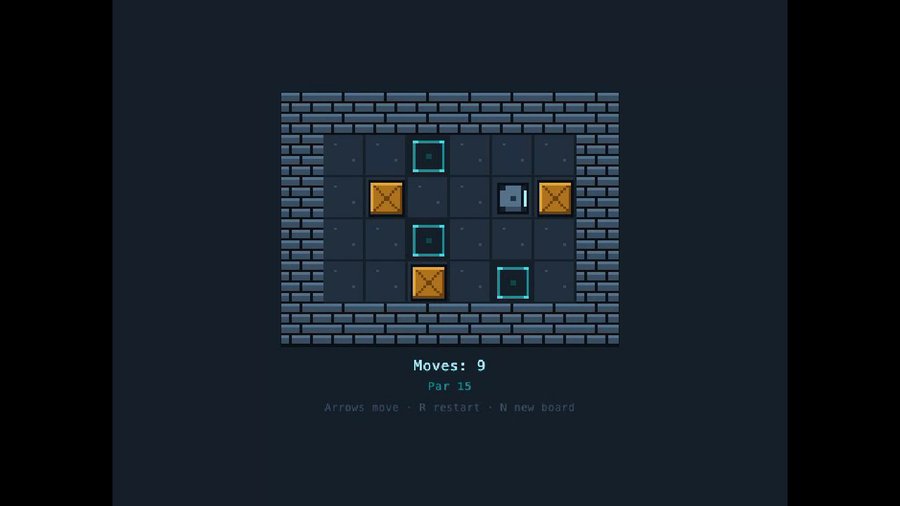
🤖Dock Bot
browser · JavaScriptA turn-based crate-pushing puzzle. One screen, nine sprites, then seeded boards on demand. The whole game is its spec.
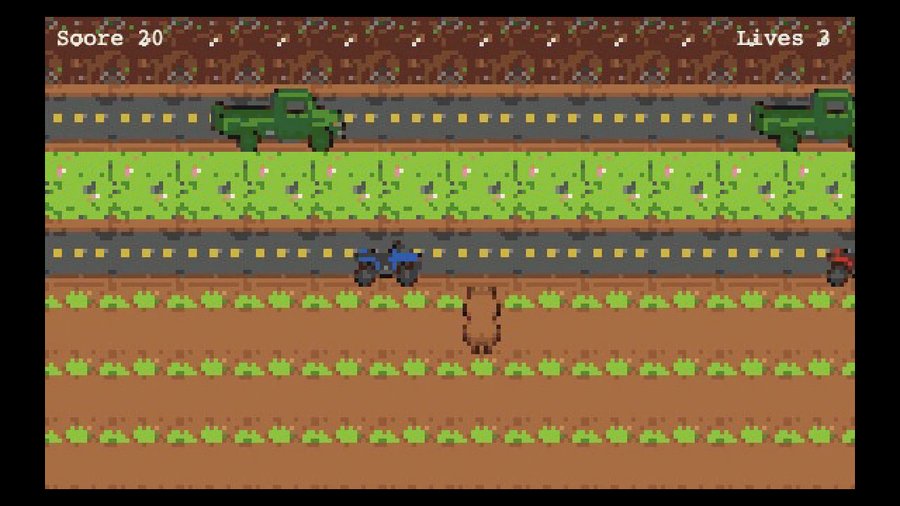
🐸Capybara Crossing
browser · JavaScriptFrogger, but chill. Add real time: a frame-rate-independent loop, moving hazards, collision, lives.
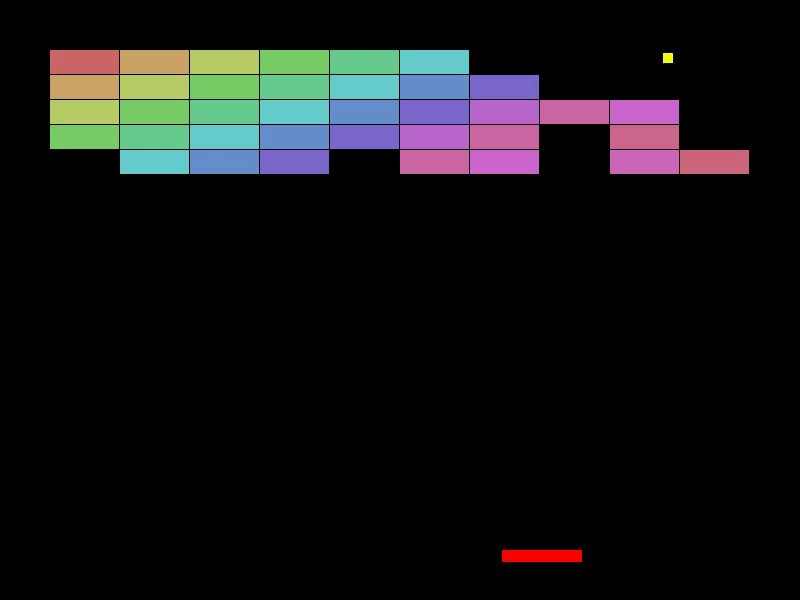
🧱Brick Smasher
2D engine · CBreakout on the Finch engine. Closer to the metal: pixel buffers, sprites, and deterministic playtest evidence to diagnose what you see.
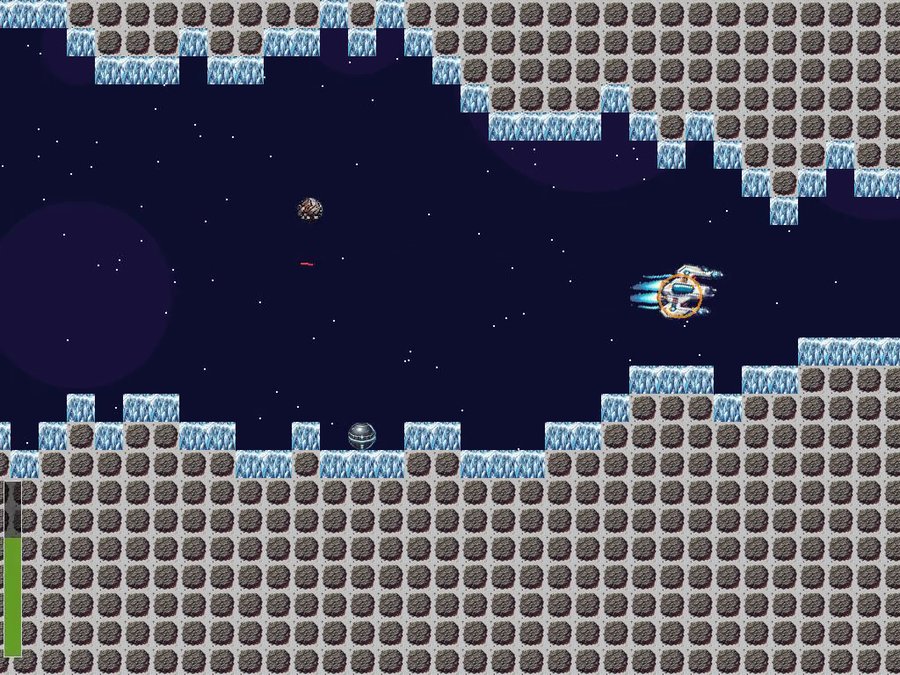
⛏️Cave Runner
GodotYour first game in a real engine. Build it from a spec and asset pack, then take the training wheels off and extend it.
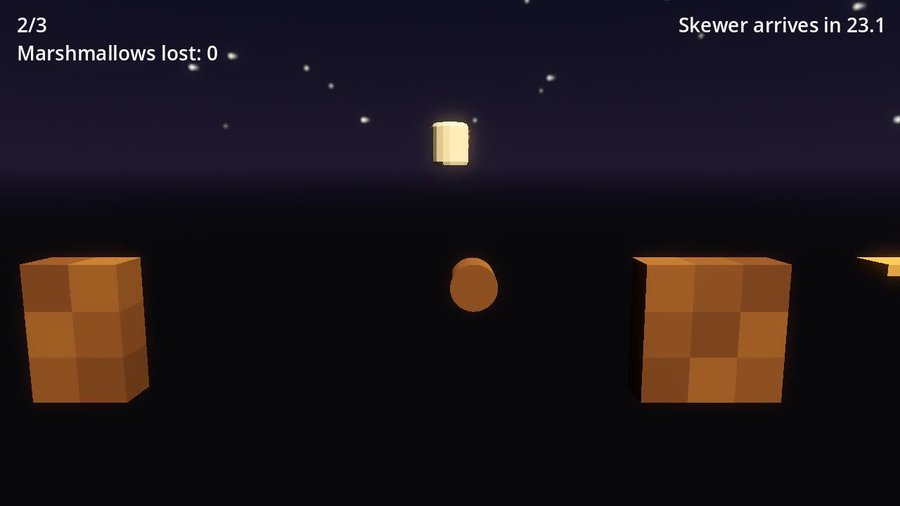
🔥Marshmallow Run
Godot · 2.5DA one-screen platformer whose rules are simple on purpose — so the lesson is the 3D scene: camera, light, materials, an imported mesh, built gray-box first, then dressed with art.
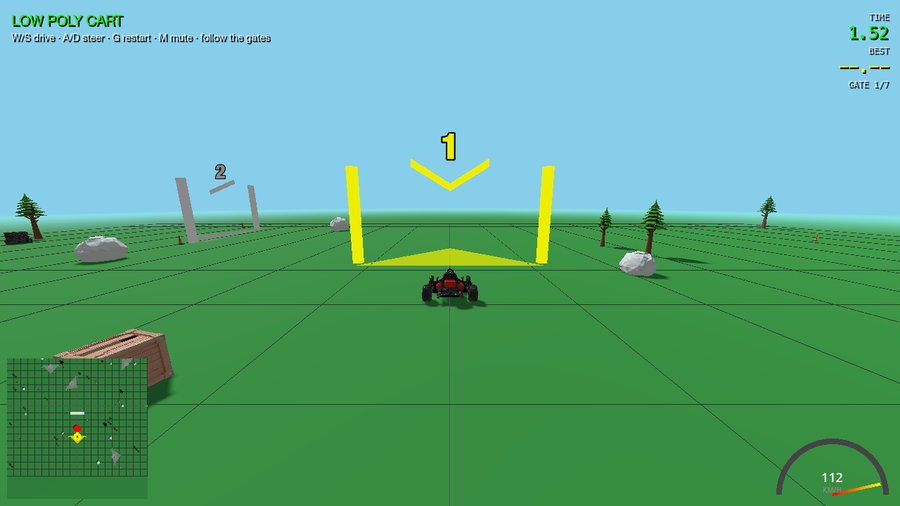
🏎️Low-Poly Cart Racer
Godot · 3DEverything comes together: spec writing, AI-generated 3D assets, a full 3D engine, a checkpoint circuit with medal times.
How it works
Spec → drive the AI → test and prove → ship. You write the contract; the AI builds; you verify the actual behavior, not a convenient proxy. When something breaks — and it will — you won't guess: you build tools that let you and your AI see it, reproduce it, and prove the fix. The difference between asset soup and a game with a soul is your taste. That's the skill. It's forever.
Who it's for
Builders and aspiring builders curious about AI-assisted development. If you can code a little — or want to — and you care about making good things, you'll fit. You'll install a small, staged toolkit as you go: Git, one coding agent, and Node to start; the C and Godot tooling arrives when the course reaches those projects.
Get in early.
The first cohort opens soon, with limited seats. Join the list and pricing, dates, and pre-sale reach you first.